Witches Brew - An Herbalist’s Version of Kitchari for Vata Season

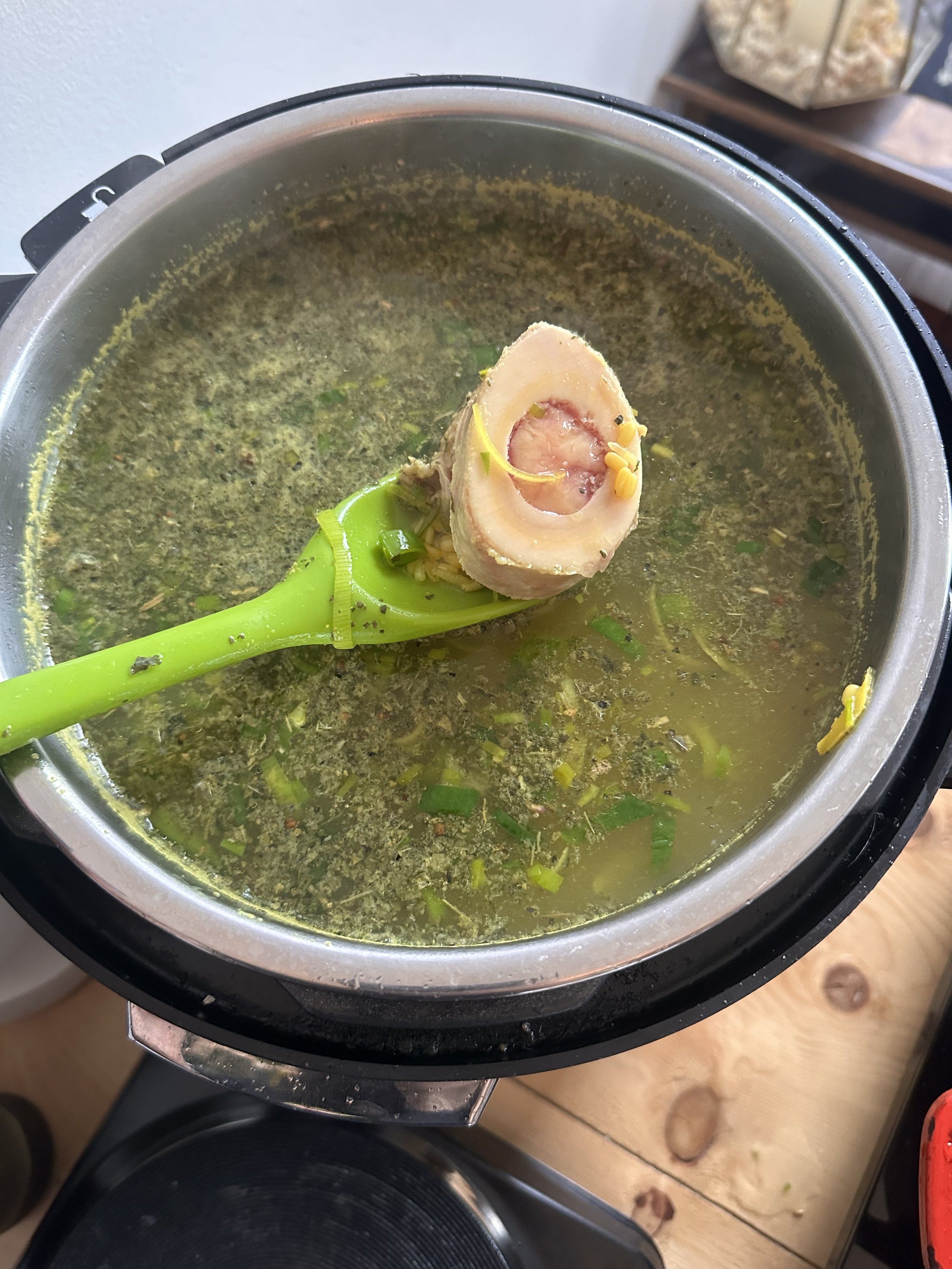
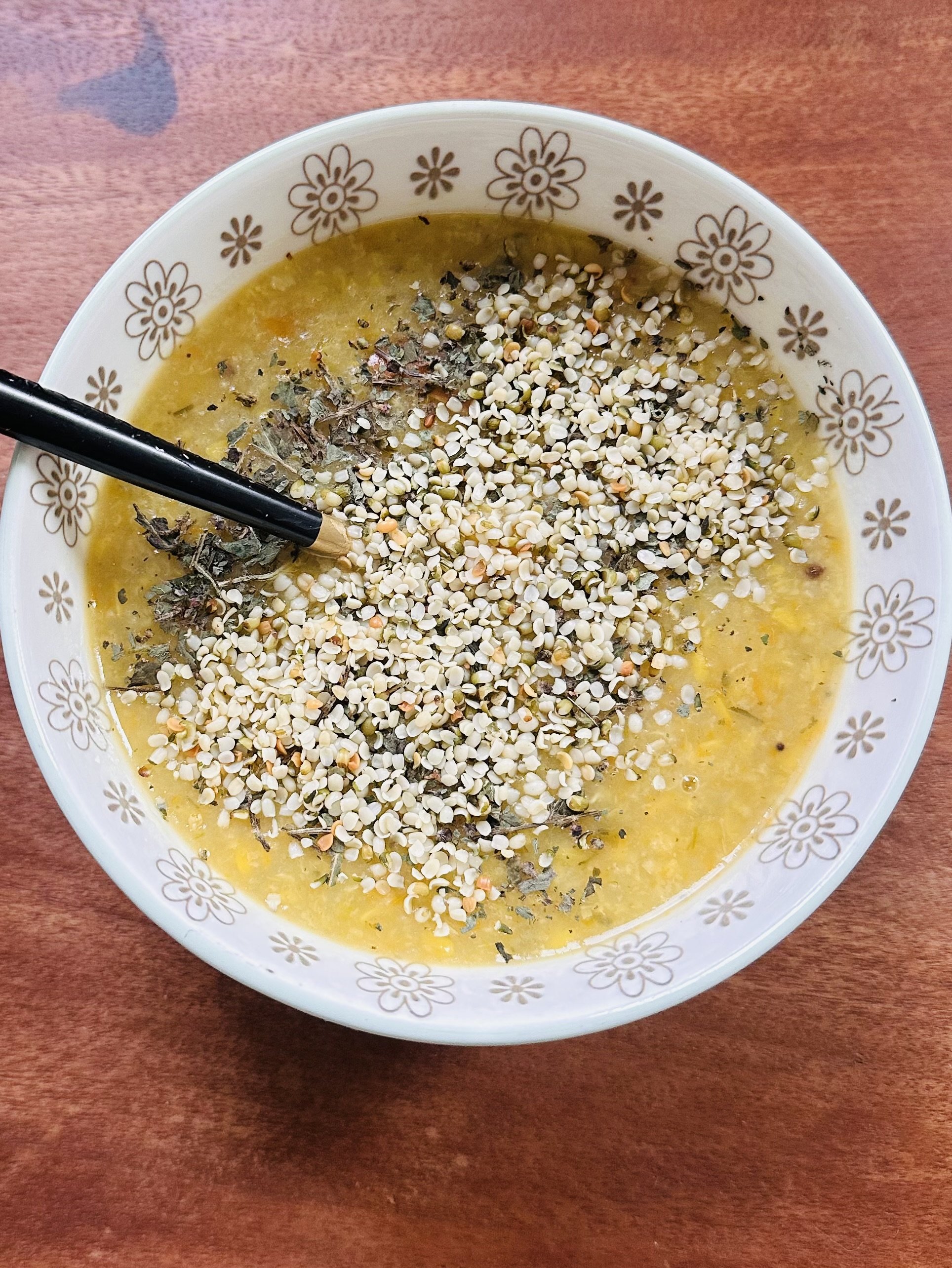
VATA-BALANCING MARROW & WINTER SQUASH KITCHARI (pressure cooker recipe)

PREP TIME: 10 minutes (plus 4-8 hours prior soaking)

COOK TIME: 10 minutes High Pressure + 15 minutes Natural Pressure Release

YIELD: (approx. 4-6 servings)

INGREDIENTS LIST

THE GRAIN & DAL BASE (PRE-SOAKED):

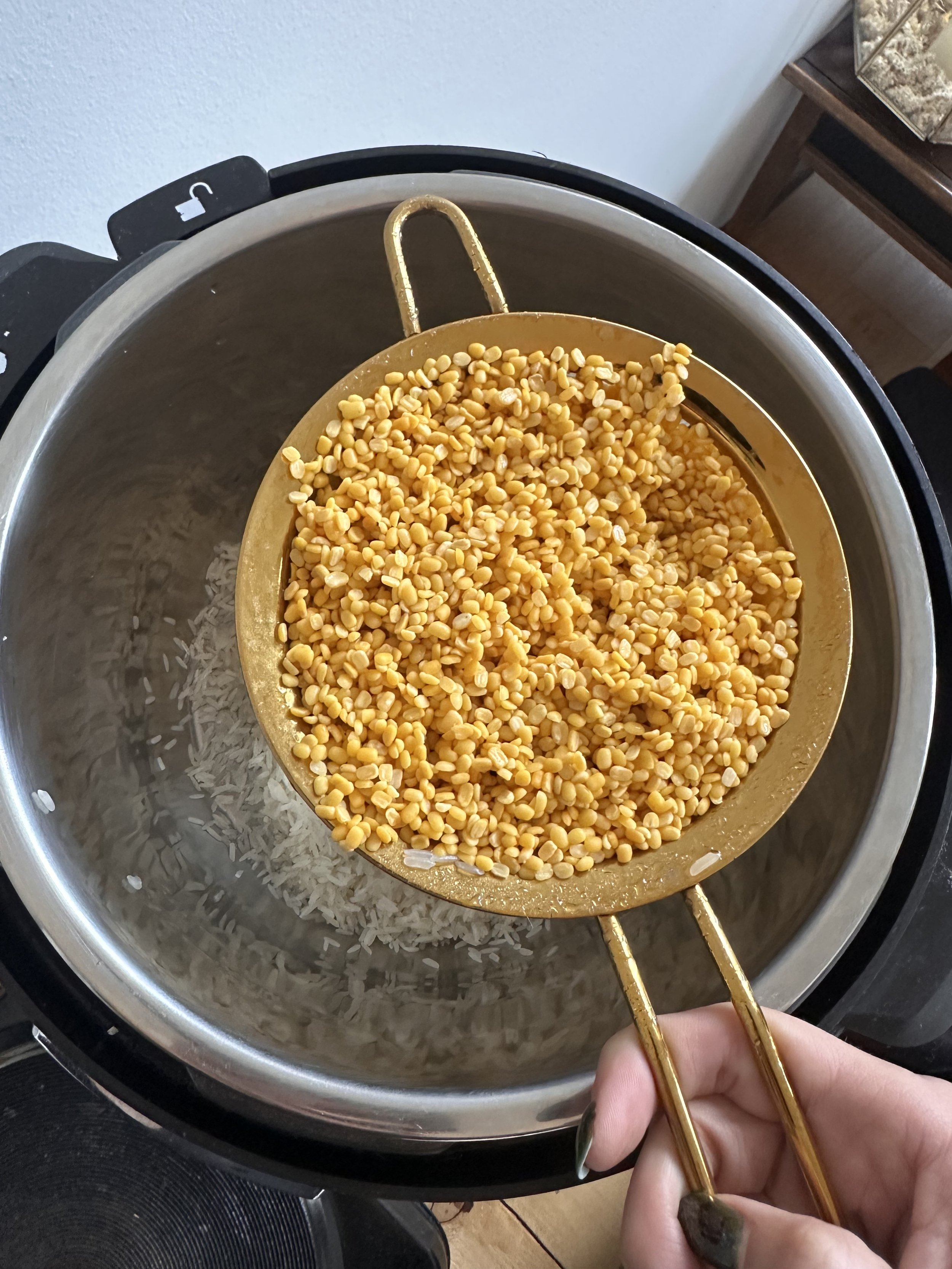
• ½ cup White Basmati Rice (soaked 4–8 hours, rinsed and drained)

• 1 cups Split Yellow Moong Dal (soaked 4–8 hours, rinsed and drained)

1/8 tsp baking soda (optional but helps break down the lentils)

THE LIQUID & MARROW:

• 6 cups Water or warming Bone Broth (1:4 ratio for high altitude)

• 2-3 Beef Marrow Bones (cross-cut, roughly ½ - 1 lbs)

THE FRESH VEGETABLES & AROMATICS:

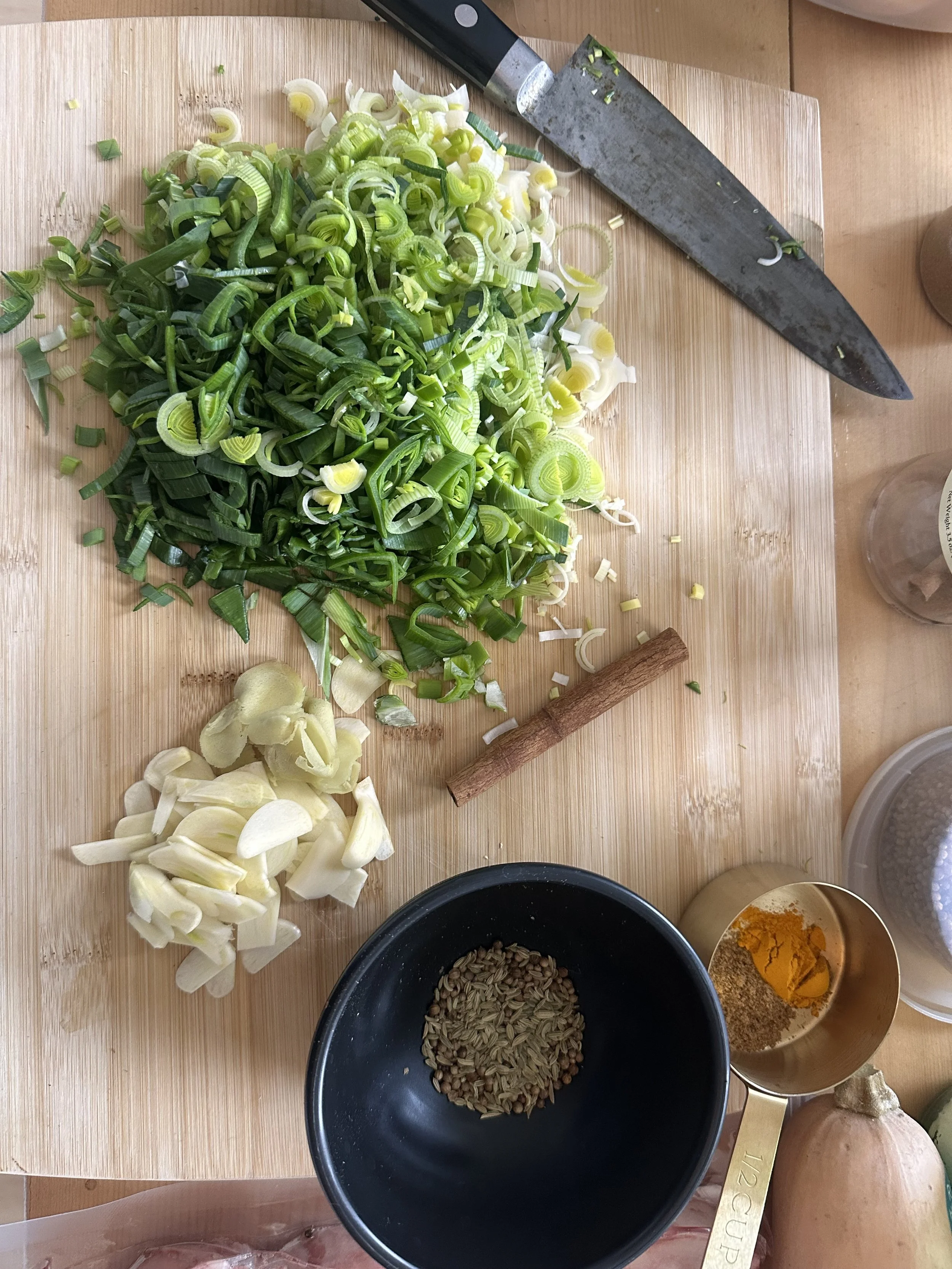
• 1-2 Small Leeks (white and light green parts only, sliced into rounds)

• 1 cups Winter Squash (Butternut, Kabocha, or Acorn, cut into LARGE 2-inch chunks)

• 1 tbsp Fresh Ginger (peeled and thinly sliced)

• 3 cloves Garlic (thinly sliced)

THE OILS & SPICES:

• 1 tbsp Ghee (clarified butter)

• 1 tsp Whole Brown Mustard Seeds

• 1 tsp Whole Fennel Seeds

• 1 tsp Whole Cumin Seeds

• 1 Cinnamon Stick (whole)

• 1 tsp Turmeric Powder

• 1 tsp Coriander Powder

• ½ tsp Cardamom Powder

• ½ tsp Black Pepper (freshly ground)

• 1.5 to 2 tsp Himalayan Pink Salt (add at the very end to taste)

THE BOTANICALS & ADAPTOGENS (ADD AT THE END):

• 2 tbsp Dried Nettles

• 2 tbsp Dried Tulsi Basil (Holy Basil)

• 1 tsp Powdered Cordyceps Mushroom

STEP-BY-STEP COOKING INSTRUCTIONS

PREP:

  1. Rinse Rice & Moong Dal and soak overnight in a large bowl with plenty of water. It will expand. If you live in high altitude consider adding 1/8 tsp of baking soda to help break down the moong dal.

PHASE 1: THE SAUTÉ START

1. Turn your electric pressure cooker to SAUTÉ mode and add the 1 tbsp of ghee.

2. Once the ghee is hot, add the whole MUSTARD SEEDS. Wait until they start to pop.

3. Immediately add the FENNEL SEEDS and CUMIN SEEDS. Sauté for 30 seconds until fragrant.

4. Stir in the LEEKS, GINGER, and GARLIC. Sauté for 3 to 4 minutes until the leeks are completely soft, sweet, and translucent.

5. Toss in the powdered spices: TURMERIC, CORIANDER, CARDAMOM, and BLACK PEPPER. Stir continuously for just 10–15 seconds so they don't burn.

6. Hit CANCEL on the pressure cooker and immediately pour in a splash of your water/broth to de-glaze, scraping up any spices stuck to the bottom.

PHASE 2: THE PRESSURE COOK LAYERING

7. Add the well-drained, pre-soaked RICE and MOONG DAL to the pot.

8. Pour in the remaining 6 cups of water or broth. Stir gently to combine the grains and spices.

9. Drop the whole CINNAMON STICK and the DRIED NETTLES directly into the liquid.

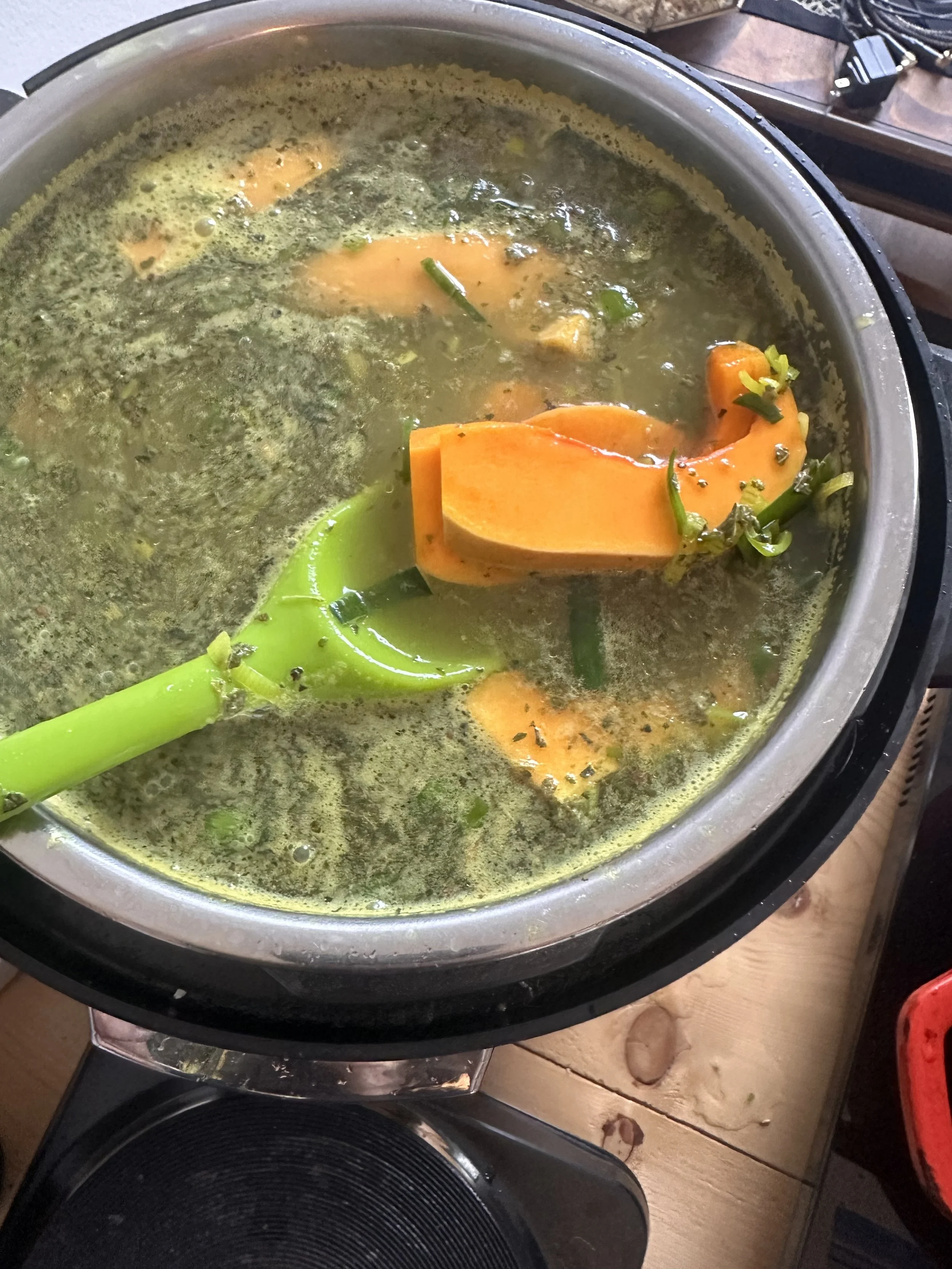
10. Place your large 2-inch chunks of WINTER SQUASH directly on top of the grain bed.

11. Lay the BEEF MARROW BONES flat on top of the vegetables. (Do not stir the squash or bones deep into the grains; let them rest on top).

PHASE 3: THE COOK CYCLE

12. Secure and lock the pressure cooker lid. Ensure the steam vent is set to "Sealing."

13. Select MANUAL / PRESSURE COOK on High Pressure and set the timer for 10 MINUTES.

14. Once the timer goes off, let the cooker NATURALLY PRESSURE RELEASE (NPR) for 15 minutes. Vent any remaining steam manually after the 15 minutes are up.

PHASE 4: THE FRESH MEDICINAL FINISH

15. Carefully open the lid. Use tongs to remove the marrow bones to a clean plate.

16. Use a small spoon to scoop the warm, soft bone marrow out of the center of the bones directly back into the kitchari porridge. Discard the empty bone rings.

17. Add the DRIED TULSI BASIL and POWDERED CORDYCEPS directly into the piping hot porridge.

18. Stir the kitchari gently to melt and emulsify the rich bone marrow and incorporate the fresh herbs.

19. Stir in 1.5 teaspoons of HIMALAYAN PINK SALT. Let the dish rest covered for 5 minutes to allow the Tulsi to steep in the residual heat. Taste, add the remaining salt if desired, and serve warm.

20. For more protein, I topped with 2 tablespoons of hemp seeds at the end!

INGREDIENTS BENEFITS BREAKDOWN

THE SUSTAINING FOUNDATION:

• White Basmati Rice: An easily digestible starch providing clean energy without irritating the gut lining. Combined with moong dal, it forms a complete, easily absorbable protein.

• Split Yellow Moong Dal: A highly bioavailable, low-gas plant protein. It acts like a gentle scrub for the intestinal walls and is highly Vata-soothing.

• Beef Marrow Bones: Packed with collagen, glucosamine, and essential fatty acids. It provides deep, grounding nourishment to the nervous system and tissues to combat deep burnout.

• Ghee (Clarified Butter): A healthy fat that carries herbs deeper into body tissues. It lubricates the digestive tract and kindles the digestive fire (Agni).

THE COMFORTING VEGETABLES & AROMATICS:

• Small Leeks: A milder, sweeter, and more warming alternative to onions. Thoroughly cooked in ghee, they are highly lubricating, gentle on the gut, and prevent Vata bloating.

• Winter Squash: Sweet, heavy, and deeply grounding root-like texture. It acts as an elemental anchor for Vata and pairs well with marrow fats.

• Fresh Ginger: Known as the "universal medicine." It stimulates sluggish digestion, reduces bloating, and supports overall metabolic warmth.

• Garlic: Deeply warming and grounding. It acts as an anti-microbial agent and helps clear out cold, stagnant energy.

THE CARMINATIVE & WARMING SPICES:

• Mustard Seeds: Pungent and heating. They stimulate gastric juices to break down heavy proteins and fats while clearing stagnation.

• Fennel Seeds: A premier carminative herb that specifically prevents and relieves intestinal gas, cramping, and bloating.

• Cumin Seeds: Enhances nutrient absorption in the small intestine and stabilizes a fluctuating appetite.

• Turmeric Powder: Contains curcumin, a potent anti-inflammatory compound that supports liver health and joint mobility.

• Coriander Powder: A gentle, cooling spice that balances the intense heat of other spices, protecting the liver from overheating.

• Cardamom Powder: Helps break down heavy mucus-forming properties of grains while clearing respiratory pathways.

• Black Pepper: Enhances the bioavailability of other nutrients (especially turmeric) and sharpens digestive fire.

• Cinnamon Stick: A deeply warming bark that stabilizes blood sugar and improves peripheral circulation to cold extremities.

THE NOURISHING BOTANICALS & ADAPTOGENS:

• Dried Nettles: Extremely rich in plant-based iron, calcium, and trace minerals. Excellent for building blood and deeply replenishing a depleted nervous system.

• Tulsi Basil (Holy Basil): A premier adaptogen known to help the body adapt to stress, soothe mental exhaustion, and support metabolic and thyroid vitality.

• Powdered Cordyceps: A functional mushroom that supports cellular energy (ATP production), enhances oxygen utilization, and fortifies against chronic burnout.
Restorative Herb Ball Recipe


Restorative Herb Ball

This is a simple recipe adapted from Rosemary Gladstar's herbal zoom balls. This version is created using herbs to restore the kidneys, adrenal, & nervous system.  The herbal balls are a tasty satisfying snack that can be enjoyed any time of day.  The recipe is easily adaptable. Play around with the ingredients to make it your own. Try adding dried fruit, different spices or chocolate chips! 

1 cup tahini
1 cup almond butter (or nut butter of your choice)
1 cup honey (more/less to taste)
1-2 Tbl garam masala spice blend (or a blend of warming spices like cinnamon, nutmeg, ginger & cardamom)
1/2 oz cocoa powder
1 oz ashwagandha powder
1 oz oat straw powder
1/2 oz nettle powder
1/2 - 1 cup chopped walnuts/almonds (to taste)
Shredded coconut (optional)

Directions:

  1. Combine tahini, almond butter, & honey.

  2. In a separate bowl, combine all powders & garam masala spice blend.

  3. Slowly mix the powders into the honey/nut butter mix, making sure to mix thoroughly. The mixture should be easy to roll into a ball. Not too sticky or dry.

  4. Mix in at least half of the chopped nuts. If using shredded coconut use all of the chopped nuts.

  5. Roll mixture by hand into little balls approx. the size of a golf ball or smaller.

  6. Roll each ball in the reserved chopped nuts, or shredded coconut (if using) to coat the outside.

  7. Keep in a storage container in the fridge for up to 1 month.


Transition to a healthy winter season

Each season asks something a little different of us. As we wrap up projects and prepare to exit the fall season, we can begin to tune out any extraneous noise and return our focus inward. Make space for simplicity and settle in for the cold months ahead. Winter is the perfect time for restoration of the body and mind. Without the tug of sunny days and warm weather pulling us outside, it becomes easier to engage in practices that help us slow down, conserve energy and enjoy the stillness around us.

When the weather turns cold we naturally gravitate towards warm nourishing foods. We love using warming spices like cinnamon, nutmeg, clove & ginger in our winter pies. Hot tea or cocoa keep our hands warm, and soup becomes a regular menu item. This is no accident. Our body knows what it needs to stay in balance. As the environment outside changes, we can listen to the signals from our body to adapt our lifestyle and remain healthy throughout the season. 

One of the easiest ways to stay in balance is to adapt to the foods of the season. Enjoying more hardy root vegetables and winter squash will make your transition smoother. Add warming spices to your meals. Give cooling foods a break, and re-introduce them as the weather warms up. If you live in the Rogue Valley you can stay connected to local farms at the indoor winter market every Saturday at the Josephine County Fairgrounds. You might even join a winter CSA and have fresh produce delivered to your neighborhood!  

Another simple practice to bring into your winter life is evening foot baths. Placing your feet in a container of warm water is SO easy and SO beneficial! If the only thing you do is put your feet in warm water while you watch TV, your feet (and therefore you) will be happier. The warm water will bring circulation to your feet and ankles and soothes muscular tension. Tension held in our feet directly translates to tension all the way up the body. The way our feet connect to the ground when we walk or stand can really make or break it for us. At this time of year, our feet tend to get a little neglected. We shove them into boots, they carry us around all day, and hardly ever get a second thought. Give your feet a little gratitude each night! If you want to take it a step further, add some herbs & Epsom salt in there. A 1/2 cup of Epsom salt will do. For chronically cold feet, add a little ginger root to your foot bath. If you are looking for something relaxing add catnip. For sore muscles try comfrey leaves! 

Last but not least, winter is a great time to begin writing. If this isn't part of your life already, now just might be the easiest time to start (maybe while your feet are soaking in the tub?). Winter is the time I spend reflecting on the past year. It gives me a chance to think about what worked, what didn't, and what I want to bring into the next year. I find that all of this reflecting is much easier on paper. It gives me space to spill out all of my thoughts instead of just swirling them around in my head which can be a little overwhelming. Writing brings clarity to my vision and helps me to process what happened over the past year. It is a wonderful way to turn your attention inward and bring peace of mind.

If you don't know what to write, simply begin with 2 lines a day.

  1. what you are grateful for.

  2. what you are ready to let go of.


Abhyanga - Ayurvedic Self Care for Fall/Winter

In Ayurveda, Fall is a time of year associated with Vata dosha, and particularly the Wind element. It's a time of transition, which can feel hectic as we begin to move into the colder seasons. It's associated with experiences of cold, dry, rough, mobile & erratic. As you pay attention to the changing of the season, you may start to notice some of these sensations. Our hair may become dry and our skin tends to become rough. It can be hard to focus & stay on task, and our body begins to naturally crave more warming, moistening, nourishing foods. To balance increased Vata, we want to look for qualities that subdue it. For example, things that are warm, oily, nourishing, stable, and things that bring about a sense of grounding & routine.  

One of my favorite Fall routines is practicing what's known as Abhyanga. It's a daily self-massage with warm oil. It is a really simple practice that can be done right before showering. Use an oil of your choice and apply to the entire body with lightweight and vigorous movement to bring blood flow to the skin and stimulate the lymphatic system. I tend to work from the extremities towards the core to help encourage the movement of lymph. If you have the time, hang out for about 15 minutes to let the oil absorb, then hop in the shower and rinse with warm water. Your skin will feel luxurious! If you don't have the extra time, it's ok, you can just hop in the shower right after you finish.

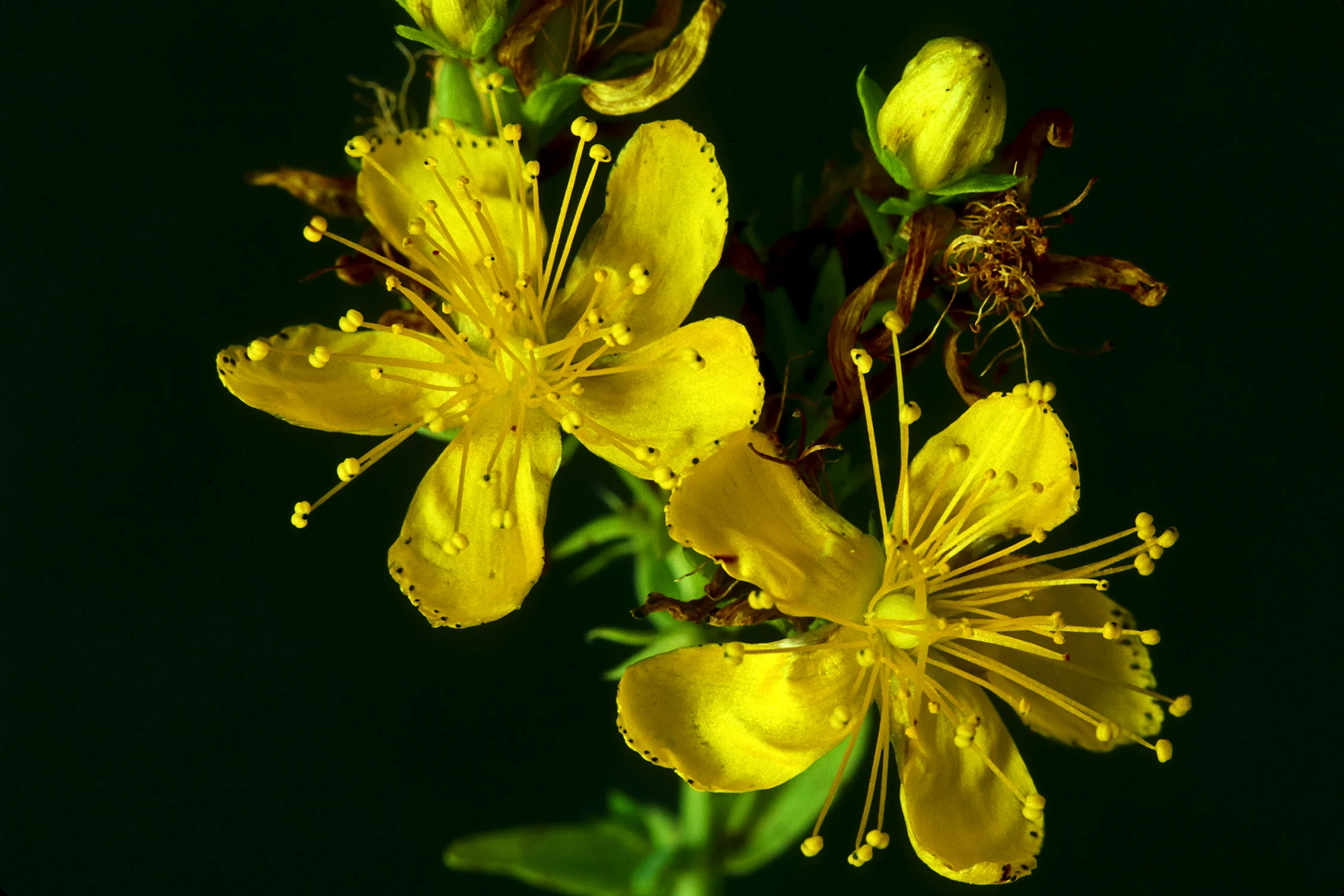
It can be done with any type of plain oil (sesame oil being the warmest) or you can get creative with herbal infused oils! Each of us is unique, so you will have to discover what works best for you as an individual. I have been using St. John's Wort Oil. St. John's Wort has so many benefits including: protecting the skin, reducing muscular tension & nerve pain, it also speeds and improves wound healing as it brings oxygenated blood to the cells. St. John's wort oil feels like the perfect herbal oil for me when moving into the cold, dark time of year. It is frequently used to aid in symptoms of seasonal depression and anxiety. It seems to have all the qualities we are looking for to pacify increased Vata. Plus, St. John's Wort works best when used regularly over an extended period of time, which even further encourages me to create a stable, daily routine! (***St John's Wort is generally safe to use, however, does have some dangerous herb/drug interactions with medications. Please check with your doctor, especially if you are taking prescription medications***) 

I hope you explore this simple daily practice and have a lovely Fall! 

st_john's_wort.jpg